Collection
Health series
Key ingredients
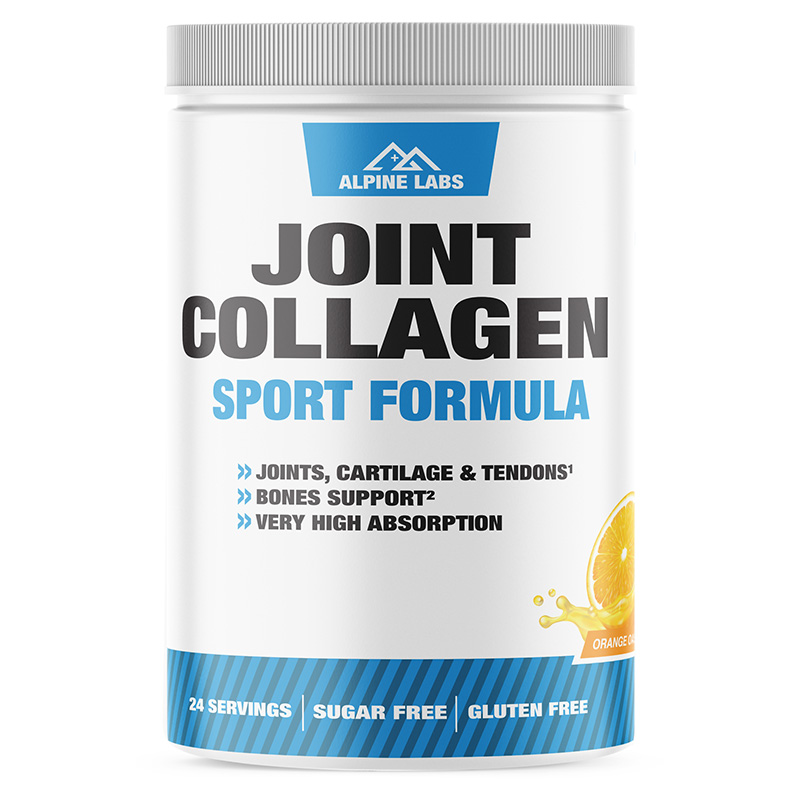
Hydrolysed collagen peptides, Glucosamine sulfate, Chondroitin, MSM, Vitamin C, Vitamin B1, Vitamin B2, Vitamin B6, Vitamin B9, Vitamin E, Vitamin D3
Format
Powder
Serving size
13g / day
Supply duration
30 days
| SUPPLEMENT FACTS | ||||
| Per serving | DV | |||
| Hydrolyzed collagen peptides | 7000 mg | - | ||
| Glucosamine sulfate | 800 mg | - | ||
| Chondroitin sulfate | 150 mg | - | ||
| MSM (as methylsulfonylmethane) | 800 mg | - | ||
| Vitamin C (as ascorbic acid) | 500 mg | 1250% | ||
| Vitamin B1 (as thiamine) | 5 mg | 454% | ||
| Vitamin B2 (as riboflavin) | 3 mg | 214% | ||
| Vitamin B6 (as pyridoxine) | 5 mg | 357% | ||
| Vitamin B9 (as folic acid) | 400 mcg | 200% | ||
| Vitamin E (as D-alpha-tocopherol) | 25 mg | 208% | ||
| Vitamin D3 (as cholecalciferol) | 30 mcg | 30% | ||
| *daily value | ||||
PURPOSE
This formulation provides structural amino acids and micronutrients involved in connective tissue metabolism. Collagen peptides supply building blocks of the extracellular matrix, while glucosamine, chondroitin and MSM participate in pathways associated with cartilage and connective structure.
Vitamin C contributes to normal collagen formation and, together with complementary vitamins, supports metabolic and protective processes involved in tissue maintenance.
OTHER INGREDIENTS
Maltodextrin, citric acid, natural flavour, colouring agent (beta-carotene), sweetener (sucralose).
USAGE
Mix 13g (one scoop) in 200ml of the beverage of your choice, preferably to be consumed with a meal.
ORIGIN
Formulated in Switzerland, manufactured in the EU.
 Approved health claims*- Ordonnance/Verordnung 817.022.14
 Vitamin C
Contributes to normal energy-yielding metabolism. Contributes to the normal functioning of the nervous system. Contributes to normal psychological function. Contributes to the normal function of the immune system. Contributes to the protection of cells from oxidative stress. Contributes to the reduction of tiredness and fatigue. Contributes to the regeneration of the reduced form of vitamin E. Increases iron absorption.
Vitamin B1
Contributes to normal energy-yielding metabolism. Contributes to the normal functioning of the nervous system. Contributes to normal psychological function. Contributes to normal heart function.
Vitamin B2
Contributes to normal energy-yielding metabolism. Contributes to the normal functioning of the nervous system. Contributes to the maintenance of normal mucous membranes. Contributes to the maintenance of normal skin. Contributes to the maintenance of normal vision. Contributes to normal iron metabolism. Contributes to the protection of cells from oxidative stress. Contributes to the reduction of tiredness and fatigue.
Vitamin B6
Contributes to normal energy-yielding metabolism. Contributes to the normal functioning of the nervous system. Contributes to normal psychological function. Contributes to normal protein and glycogen metabolism. Contributes to normal red blood cell formation. Contributes to the normal function of the immune system. Contributes to the reduction of tiredness and fatigue. Contributes to the regulation of hormonal activity.
Vitamin B9
Contributes to maternal tissue growth during pregnancy. Contributes to normal blood formation. Contributes to normal homocysteine metabolism. Contributes to the normal function of the immune system. Contributes to normal psychological function. Contributes to the reduction of tiredness and fatigue. Has a role in the process of cell division.
Vitamin E
Contributes to the protection of cells from oxidative stress.
Vitamin D
Contributes to the normal absorption and utilisation of calcium and phosphorus. Contributes to normal blood calcium levels. Contributes to the maintenance of normal bones. Contributes to the maintenance of normal muscle function. Contributes to the maintenance of normal teeth. Contributes to the normal function of the immune system. Has a role in the process of cell division.
 Approved health claims*- Regulation (UE) n° 1924/2006
 Vitamin C
Contributes to normal energy-yielding metabolism. Contributes to the normal functioning of the nervous system. Contributes to normal psychological function. Contributes to the normal function of the immune system. Contributes to the protection of cells from oxidative stress. Contributes to the reduction of tiredness and fatigue. Contributes to the regeneration of the reduced form of vitamin E. Increases iron absorption.
Vitamin B1
Contributes to normal energy-yielding metabolism. Contributes to the normal functioning of the nervous system. Contributes to normal psychological function. Contributes to normal heart function.
Vitamin B2
Contributes to normal energy-yielding metabolism. Contributes to the normal functioning of the nervous system. Contributes to the maintenance of normal mucous membranes. Contributes to the maintenance of normal skin. Contributes to the maintenance of normal vision. Contributes to normal iron metabolism. Contributes to the protection of cells from oxidative stress. Contributes to the reduction of tiredness and fatigue.
Vitamin B6
Contributes to normal energy-yielding metabolism. Contributes to the normal functioning of the nervous system. Contributes to normal psychological function. Contributes to normal protein and glycogen metabolism. Contributes to normal red blood cell formation. Contributes to the normal function of the immune system. Contributes to the reduction of tiredness and fatigue. Contributes to the regulation of hormonal activity.
Vitamin B9
Contributes to maternal tissue growth during pregnancy. Contributes to normal blood formation. Contributes to normal homocysteine metabolism. Contributes to the normal function of the immune system. Contributes to normal psychological function. Contributes to the reduction of tiredness and fatigue. Has a role in the process of cell division.
Vitamin E
Contributes to the protection of cells from oxidative stress.
Vitamin D
Contributes to the normal absorption and utilisation of calcium and phosphorus. Contributes to normal blood calcium levels. Contributes to the maintenance of normal bones. Contributes to the maintenance of normal muscle function. Contributes to the maintenance of normal teeth. Contributes to the normal function of the immune system. Has a role in the process of cell division.
 Approved health claims*- Nutrition and Health Claims Regulations 2007 (as amended)
 Vitamin C
Contributes to normal energy-yielding metabolism. Contributes to the normal functioning of the nervous system. Contributes to normal psychological function. Contributes to the normal function of the immune system. Contributes to the protection of cells from oxidative stress. Contributes to the reduction of tiredness and fatigue. Contributes to the regeneration of the reduced form of vitamin E. Increases iron absorption.
Vitamin B1
Contributes to normal energy-yielding metabolism. Contributes to the normal functioning of the nervous system. Contributes to normal psychological function. Contributes to normal heart function.
Vitamin B2
Contributes to normal energy-yielding metabolism. Contributes to the normal functioning of the nervous system. Contributes to the maintenance of normal mucous membranes. Contributes to the maintenance of normal skin. Contributes to the maintenance of normal vision. Contributes to normal iron metabolism. Contributes to the protection of cells from oxidative stress. Contributes to the reduction of tiredness and fatigue.
Vitamin B6
Contributes to normal energy-yielding metabolism. Contributes to the normal functioning of the nervous system. Contributes to normal psychological function. Contributes to normal protein and glycogen metabolism. Contributes to normal red blood cell formation. Contributes to the normal function of the immune system. Contributes to the reduction of tiredness and fatigue. Contributes to the regulation of hormonal activity.
Vitamin B9
Contributes to maternal tissue growth during pregnancy. Contributes to normal blood formation. Contributes to normal homocysteine metabolism. Contributes to the normal function of the immune system. Contributes to normal psychological function. Contributes to the reduction of tiredness and fatigue. Has a role in the process of cell division.
Vitamin E
Contributes to the protection of cells from oxidative stress.
Vitamin D
Contributes to the normal absorption and utilisation of calcium and phosphorus. Contributes to normal blood calcium levels. Contributes to the maintenance of normal bones. Contributes to the maintenance of normal muscle function. Contributes to the maintenance of normal teeth. Contributes to the normal function of the immune system. Has a role in the process of cell division.
*Health claims are provided for informational purposes only and may be subject to change. Distributors are responsible for ensuring that their communications comply with applicable legislation.
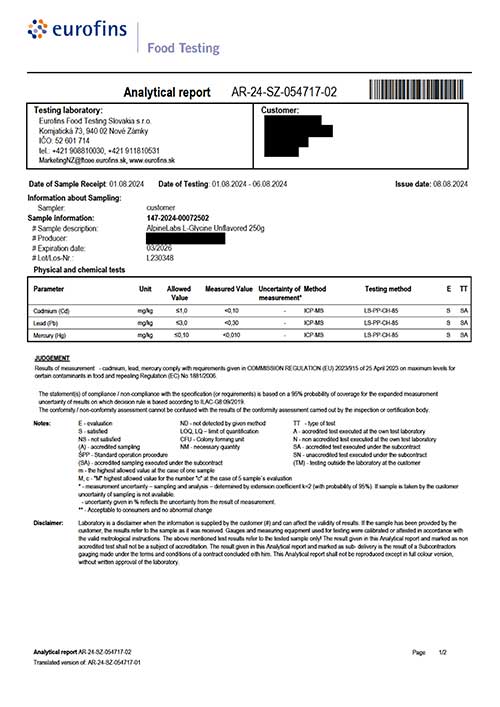
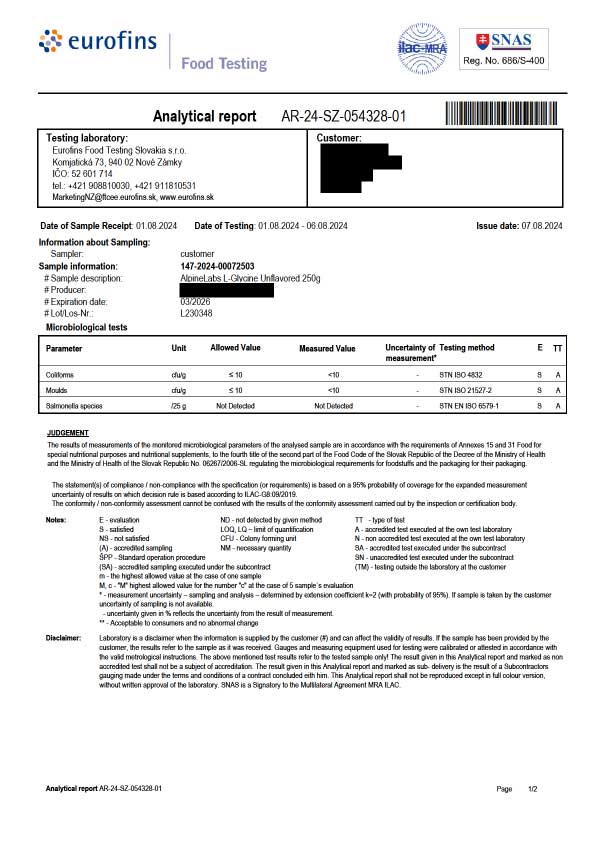
Certificate of Analysis (COA)
Microbiological and heavy metal results for recent batch.
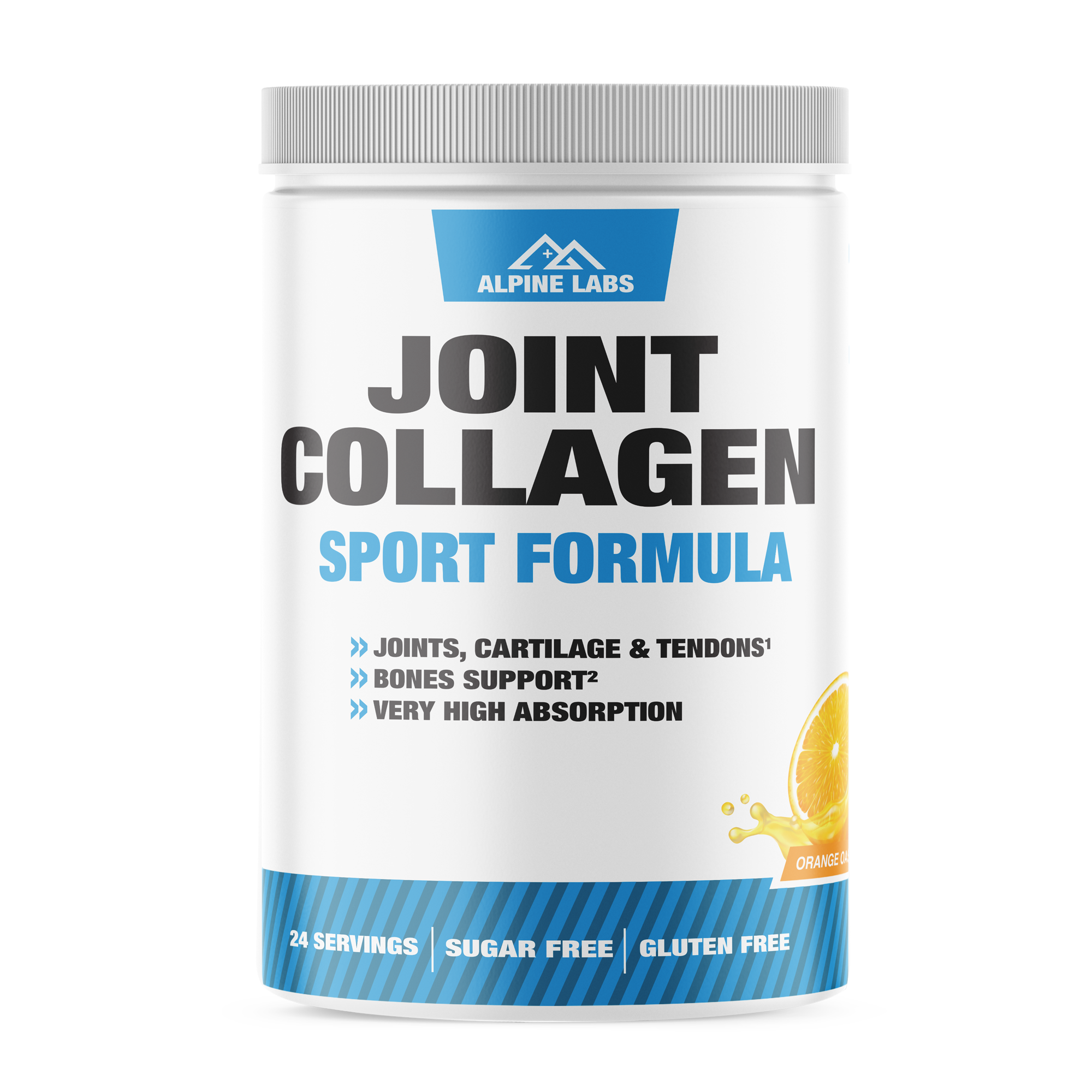
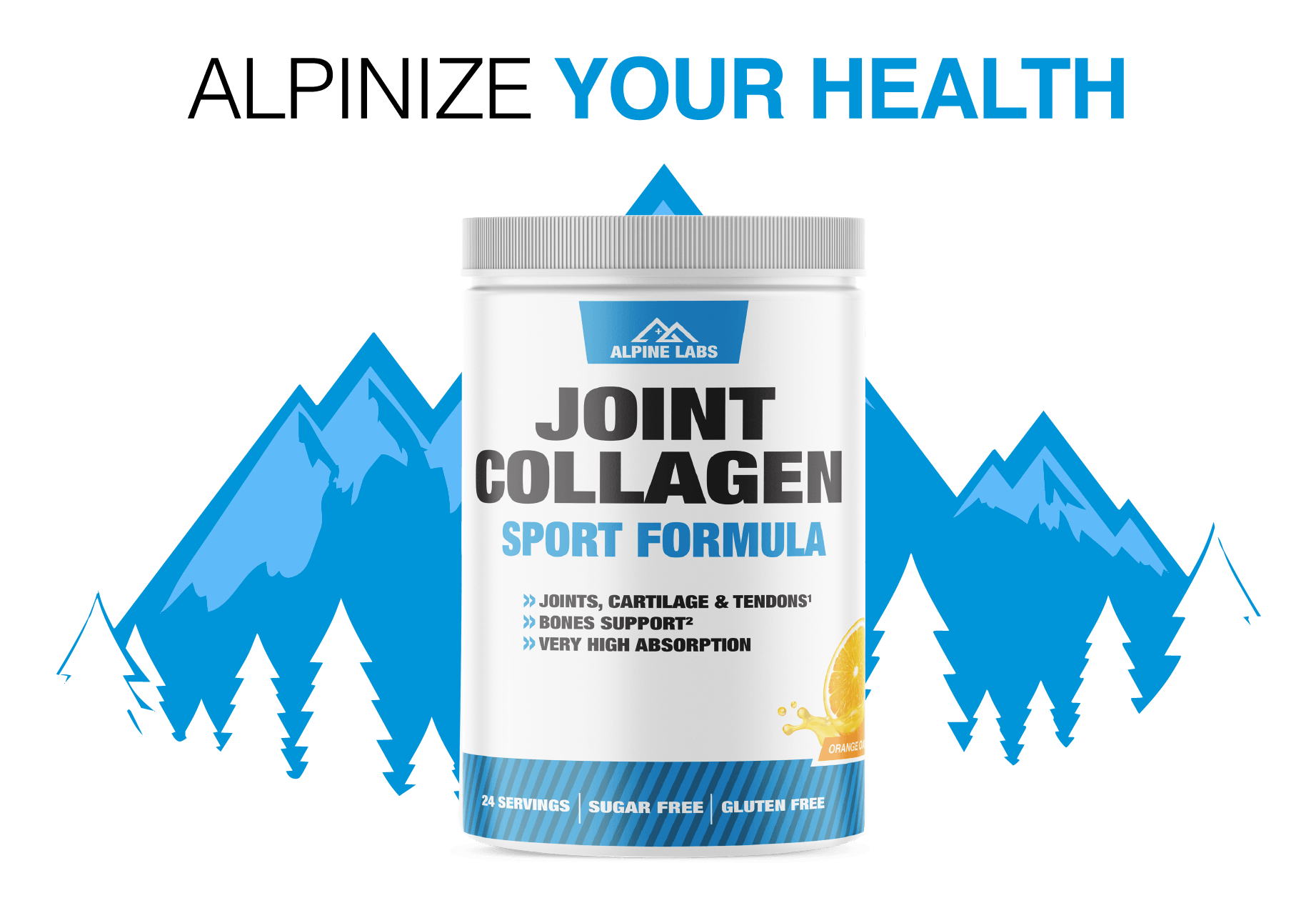
Product Media
Packshots, visuals, & digital assets for your e-commerce or catalog.
BECOME A PARTNER
Want to distribute our products ?
Get in touch and let’s start a partnership.
SHOP ONLINE
Interested in purchasing this product ?
Go on our partner website for a smooth shopping experience